
JEF Europe

Books

Twenty years after the death of Mario Albertini (1919-1997), we have to acknowledge that his political ideas are still largely unknown to scholars in social sciences, particularly in the international…

Nationalism, Federalism and European Integration. A collection of 22 essays of Mario Albertini: Mario Albertini, Editor: Guido Montani, 2017
Twenty years after the death of Mario Albertini (1919-1997), we have to acknowledge that his political ideas are still largely unknown to scholars in social sciences, particularly in the international debate that takes place mainly in English.

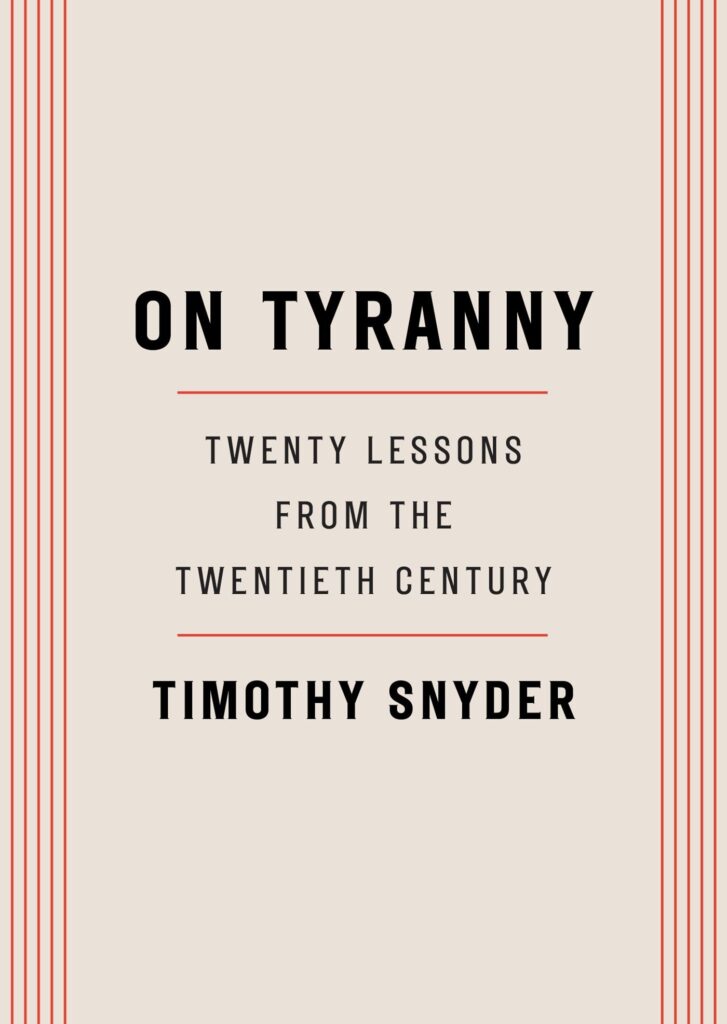
On Tyranny: Timothy Snyder

The Founding Fathers tried to protect us from the threat they knew, the tyranny that overcame ancient democracy. Today, our political order faces new threats, not unlike the totalitarianism of the twentieth century.

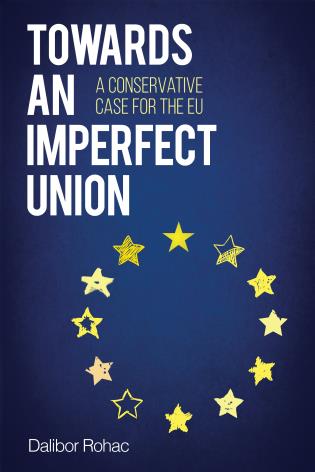
Towards an imperfect Union: A Conservative Case for the EU: Dalibor Rohac, 2016
In today’s Europe, deep cracks are showing in the system of political cooperation that was designed to prevent the geopolitical catastrophes that ravaged the continent in the first half of the twentieth century.

No Is Not Enough: Resisting Trump’s Shock Politics and Winning the World We Need: Naomi Klein, 2017
“This is one attempt to uncover how we got to this surreal political moment. It is also an attempt to predict how, under cover of shocks and crises, it could get a lot worse.

Citizens of Nowhere: How Europe Can Be Saved from Itself: Lorenzo Marsili & Niccolò Milanese, 2018
Europe might appear like a continent pulling itself apart. Ten years of economic and political crises have pitted North versus South, East versus West, citizens versus institutions.

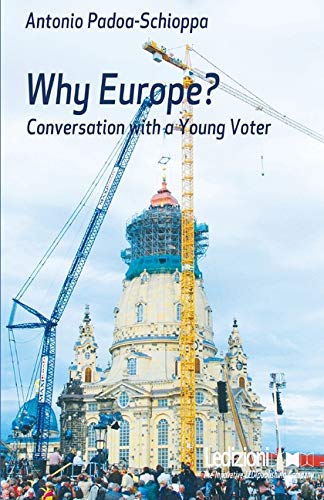
Why Europe: Conversation with a Young Voter: Antonio Padoa Schioppa, 2019
The European Union is like an unfinished cathedral. In this Conversation with a Young Voter we explain just what is at stake for the future of Italy, Europe and beyond.

How to Lose a Country: The 7 Steps from Democracy to Dictatorship: Ece Temelkuran, 2019

How to Lose a Country is an impassioned plea, a warning to the world that populism and nationalism don’t march fully-formed into government; they creep. Award winning author and journalist Ece Temelkuran, identifies the 

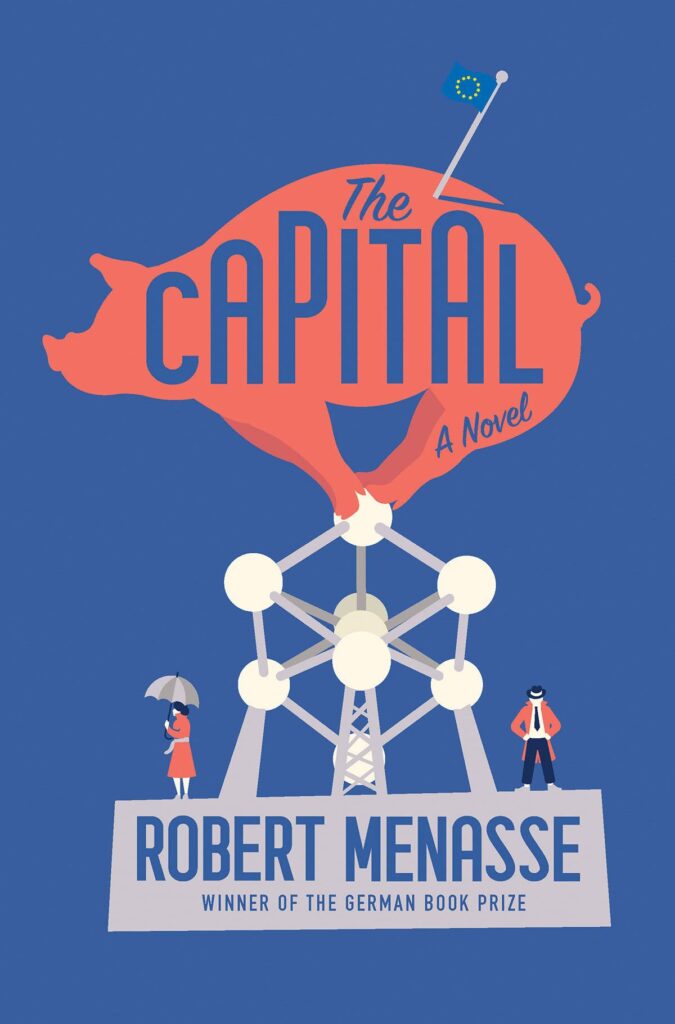
The Capital: A Novel: Robert Menasse, 2019
A highly inventive novel of ideas written in the rich European tradition, The Capital transports readers to the cobblestoned streets of twenty-first-century Brussels. Chosen as the European Union’s symbolic capital in 1958, this elusive setting has never been examined so intricately in literature. 

Us vs. Them: The Failure of Globalism: Ian Bremmer, 2018
Those who championed globalisation once promised a world of winners, one in which free trade would lift all the world’s boats, and extremes of left and right would give way to universally embraced liberal values. The past few years have shattered this fantasy, as those who’ve paid the

The Light That Failed: Why the West Is Losing the Fight for Democracy: Ivan Krastev, Stephen Holmes, 2020
Why did the West, after winning the Cold War, lose its political balance? In the early 1990s, hopes for the eastward spread of liberal democracy were high. And yet the transformation of Eastern European countries gave rise to a bitter repudiation of

Imagined Communities: Reflections on the Origin and Spread of Nationalism: Benedict Anderson, 1991
The full magnitude of Benedict Anderson’s intellectual achievement is still being appreciated and debated.

Understanding Federalism and Federation: Editors: Alain G. Gagnon, Soeren Keil, Sean Mueller, 2017
Based on a variety of contemporary debates on federal theory Understanding Federalism and Federation honours Michael Burgess’ contribution to the study of these topics through a selection of approaches, theories, debates and interpretations.

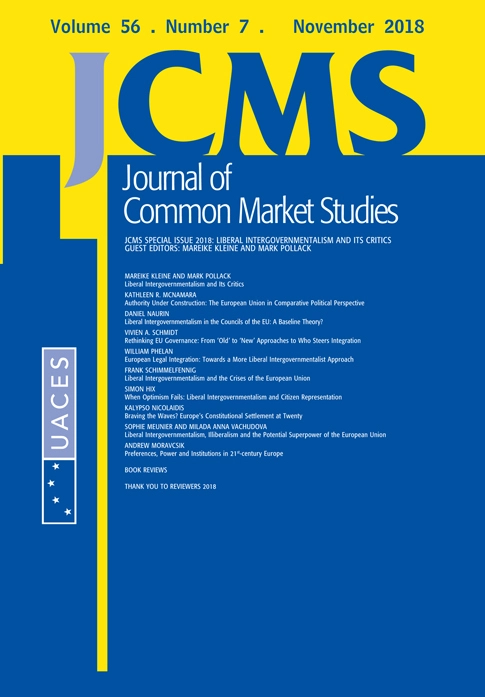
Authority Under Construction: The European Union in a Comparative Political Perspective: Kathleen McNamara, 2018
Moravcsik’s liberal intergovernmentalism irrevocably upgraded the rigour of European Union scholarship by categorising the EU as an international organisation, and analysing it in terms of general theories of international relations.

For Europe: Guy Verhofstadt, Daniel Cohn-Bendit, 2012

Europe is in crisis. How did we get here? What didn’t work? Faced with such an emergency, are the euro zone states not creating an undemocratic monster? Is euroscepticism not reactionary?

Federalism and the British: Two Centuries of Thought and Action: Stanley Henig, 2007
As a political idea, federalism–the concept that democratic government should be divided between different tiers–has been subjected to a negative and even hostile treatment by sections of both the establishment and the media in Britain.

Federal Union: The Pioneers: A History of Federal Union: Richard Mayne, John Pinder, 1990
A history of UEF’s oldest section

Black Earth: The Holocaust as History and Warning: Timothy Snyder, 2015
In this epic history of extermination and survival, Timothy Snyder presents a new explanation of the great atrocity of the twentieth century, and reveals the risks that we face in the twenty-first. Based on new sources from eastern Europe and forgotten testimonies from Jewish survivors,

Britain Rebooted: Scotland in a Federal Union : David Torrance, 2016
Would federalism work in the UK? Wouldn’t England dominate a British federation? How would powers be distributed between federal and home nation level? What about the House of Lords?

Foundations of Democracy in the European Union: From the Genesis of Parliamentary Democracy to the European Parliament: John Pinder, 1999

This book offers a new approach to the study of European democracy showing how this has developed through key episodes in the history of the process

50 shades of Federalism

A Facebook page with updates of academic papers on federalism.

Europa – the Founding Mothers of Europe: Maria Pia Di Nonno, 2017

In this epic history of extermination and survival, Timothy Snyder presents a new explanation of the great atrocity of the twentieth century, and reveals the risks that we face in the twenty-first.

Federalism in the European Union: Rhetoric and Reality: Andrew Moravcsik, 2001

Moravcsik attacks the view, shared by Euro‐enthusiasts and Euro‐sceptics alike, that current developments in the EU herald the advent of a European federal state

Federalizing Europe? The Costs, Benefits, and Preconditions of Federal Political Systems: Editors: Joachim Jens Hesse, Vincent Wright, 1996
This constitutional and institutional development of the European Community,

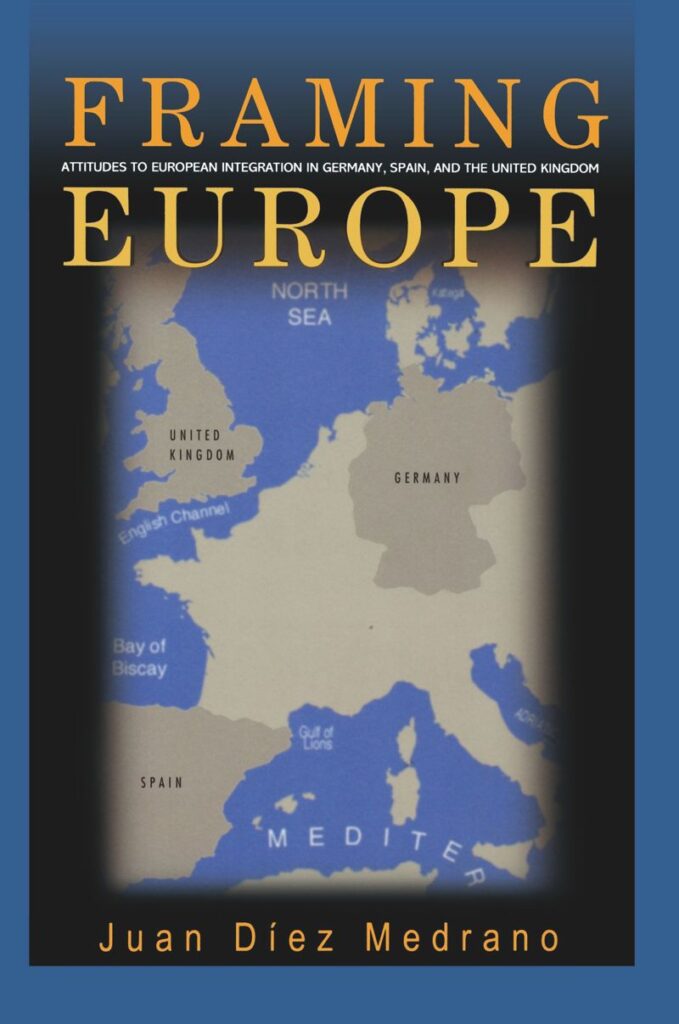
Framing Europe. Attitudes to European Integration in Germany, Spain, and the United Kingdom: Juan Díez Medrano, 2003

This book provides a major empirical analysis of differing attitudes to European integration in three of Europe’s most important countries

The Federal Vision: Legitimacy and Levels of Governance in the United States and the European Union: Editors: Kalypso Nicolaidis, Robert Howse, 2001
This book is about the complex and changing relationship between levels of governance in the US and the European Union.

A Federation For Western Europe: W. Ivor Jennings, 1940
The federal future of Europe: From the European Community to the European Union: Dusan Sidjanski, Jose Maria Gil-Robles Gil-Delgado, Enrique Martinez Guttierez, Jacques Delors, 2000

First published in 1992, this book sets out a federalist interpretation of the European integration process.

Making History: European Integration and Institutional Change at Fifty: Editors: Sophie Meunier, Kathleen R. McNamara, 2007
Fifty years ago, the leaders of six European states signed the Treaty of Rome, creating the European Economic Community and launching the process of European integration.

Democracy and Federalism in the European Union and the United States: Exploring Post-national Governance: Editor: Sergio Fabbrini, 2005
The European Union – a supranational system with its own institutional characteristics and autonomy as a structure and functional logic which are more similar to those of the US than those of European nation states. 

What Kind of Constitution for What Kind of Polity? Responses to Joschka Fischer: Editors: Christian Joerges, Yves Mény, J.H.H. Weiler, 2000

The Rules of Federalism: Institutions and Regulatory Politics in the EU and Beyond: R. Daniel Kelemen, 2004

This book examines patterns of environmental regulation in the European Union and four federal polities—the United States, Germany, Australia, and Canada.

Federalism and European Union: The Building of Europe, 1950-2000: Michael Burgess, 2000
A revisionist interpretation of the post-war evolution of European integration and the European Union (EU)

Time for a European federation: How Europe could remain relevant in the century of globalization, climate change and the fourth industrial revolution: Yannis Karamitsios, 2021
In the third decade of the 21st century, Europe is facing several serious challenges to its prosperity and freedom.

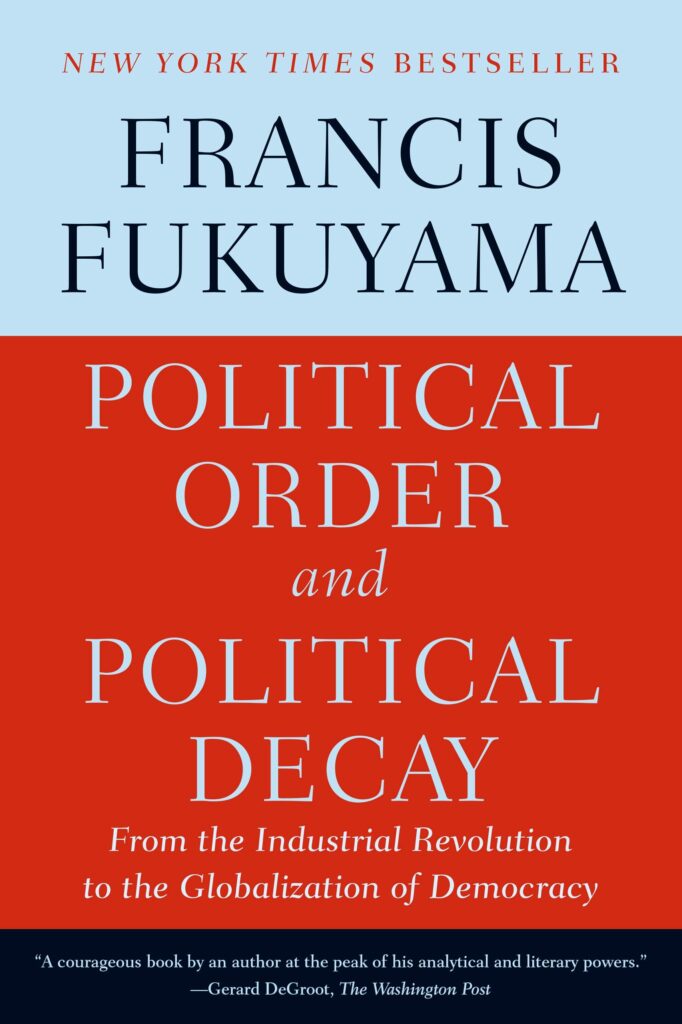
Political Order and Political Decay: Francis Fukuyama, 2014

Taking up the essential question of how societies develop strong, impersonal, and accountable political institutions, 

Privacy Preference Center